
Why Does My Knee Hurt When I Bend It?
If it hurts to bend your knee, you are not alone. This is one of the most common reasons patients visit a knee specialist at San Antonio Orthopædic Specialists.
Pain with bending can stem from several different knee pain types. Your age, activity level, and whether you recently experienced a sports injury or twisting event all help determine the cause.
Here are the most common reasons your knee may hurt when bending.
1. Anterior Knee Pain (Patellofemoral Syndrome)
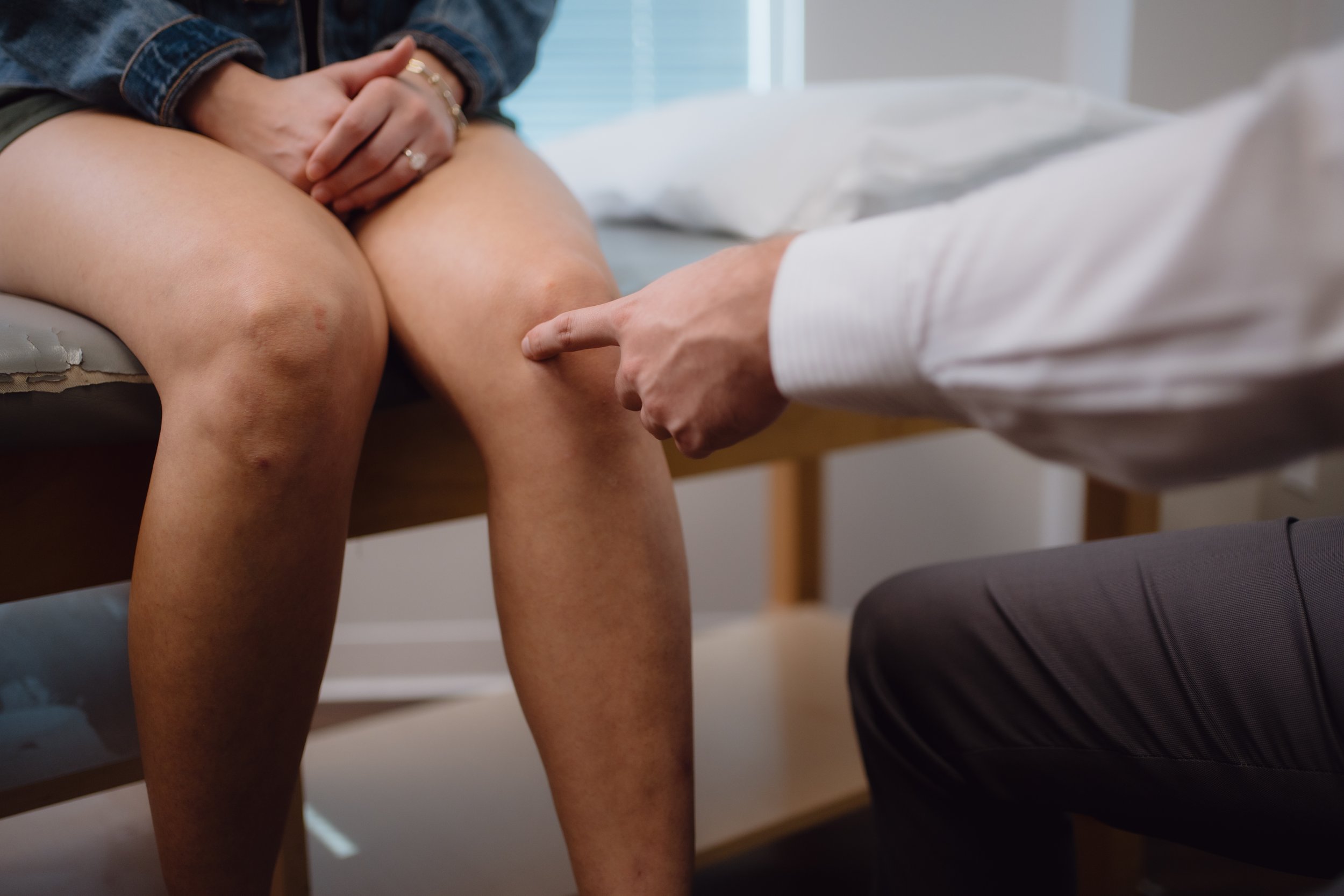
One of the most common knee pain types is anterior knee pain, also known as patellofemoral syndrome. This typically causes pain in the front of the knee, especially when:
Walking up or down stairs
Going up hills
Squatting
Sitting for long periods
This condition is often related to muscle imbalance between the quadriceps, which straighten the knee, and the hamstrings, which bend it. When these muscle groups are not working together properly, extra stress is placed on the kneecap.
Anterior knee pain is commonly seen in active individuals and may fall under general knee pain or even mild sports injuries.
The good news is that this condition usually improves with:
Physical therapy
Stretching
Strengthening exercises
This approach aligns with our focus on knee preservation, meaning we aim to restore proper function without surgery whenever possible.
2. Meniscus Tear
Another reason it may hurt to bend your knee deeply is a meniscus tear. The meniscus is cartilage that cushions the knee joint. Tears often happen with a twisting injury and are common in both athletes and active adults. You may notice:
A pop or click at the time of injury
Swelling shortly after
Pain with deep bending
Catching or locking sensations
Meniscus injuries are a common cause of knee pain and may be categorized under sports injuries, depending on how they occur.
Treatment usually starts conservatively. This may include rest, therapy, or knee injections to reduce inflammation and help calm symptoms. If pain does not improve, minimally invasive surgery may be recommended to repair or remove the torn portion of cartilage as part of a knee preservation strategy.
3. Knee Arthritis
In older adults, one of the most common reasons it hurts to bend the knee is knee arthritis. Arthritis develops when the cartilage cushion between the bones wears down over time. This leads to:
Bone on bone contact
Inflammation
Formation of bone spurs
When you bend your knee, especially deeply, those arthritic surfaces and bone spurs can press against each other, causing pain and stiffness.
Treatment for knee arthritis depends on severity. Early stages are often managed with:
Activity modification
Strengthening exercises
Knee injections to reduce inflammation and improve joint lubrication
If arthritis progresses and conservative treatments no longer provide relief, knee replacement surgery may be considered to restore mobility and eliminate bone-on-bone pain.
When Should You See a Knee Specialist Doctor?
If your knee pain:
Persists for several weeks
Causes swelling
Limits your daily activities
Gets worse with bending
It may be time to see a knee specialist.
Real Patient Experience: Knee Pain Relief
Knee arthritis often starts gradually. Stairs become harder. Long walks feel shorter. Bending the knee becomes uncomfortable.

One patient came to us with chronic knee pain that was limiting daily movement. After a thorough evaluation, we recommended a personalized knee preservation plan that included Lipogems regenerative treatment.
The result was improved mobility and meaningful pain relief without moving straight to knee replacement.
Read the full knee treatment patient story.
Personalized Care for Lasting Knee Relief
Knee pain affects more than just your joint. It affects how you live. At San Antonio Orthopædic Specialists, our fellowship-trained knee specialists take time to understand your symptoms, activity level, and long-term goals before recommending treatment. From conservative knee preservation to advanced surgical care, our focus is on restoring movement and confidence.
Patients choose our team because of our expertise and our dedication to individualized care.
If bending your knee causes pain, do not ignore it. Get answers from specialists who treat knee conditions every day.