
You wake up, swing your legs out of bed, and your knee feels tight, puffy and hard to bend. Maybe it looks bigger than the other one. If you are asking yourself, "Why is there fluid on my knee?" you are in good company. Fluid on the knee is one of the most common reasons people visit an orthopaedic specialist, and it is usually your body's way of saying something inside the joint needs attention.
This guide from San Antonio Orthopaedic Specialists explains what a swollen knee can mean, the warning signs to watch for, and the treatment options that may help.
What Is Fluid on the Knee?
Every healthy knee holds a small amount of joint fluid. It keeps the joint moving smoothly, a bit like oil in an engine. When the knee is irritated, injured, or inflamed, it can make more fluid than it needs. That extra fluid builds up inside the joint and causes swelling.
Doctors call this a knee effusion. Many people simply call it water on the knee. All three names describe the same thing: more fluid in the knee than there should be.
Common Causes of a Swollen Knee
Fluid in the knee is a symptom, not a diagnosis. The goal is always to find what is driving it. The most common causes include:
A Baker's cyst: Extra joint fluid can push into the back of the knee and form a tight, bulging pocket behind it.
Osteoarthritis: As cartilage wears down, the joint lining can become inflamed and produce extra fluid. Swelling often comes and goes, and it may be worse after a busy day.
An injury: A twist, fall or sports injury can tear the meniscus or a ligament such as the ACL. Swelling that appears within hours of an injury may mean there is bleeding inside the joint.
Overuse": Repetitive kneeling, squatting or running can irritate the joint or the small fluid sacs (bursae) around it.
Gout or pseudogout: Crystals can form in the joint and cause sudden, intense swelling, warmth and pain.
Rheumatoid arthritis and other inflammatory conditions: These can cause swelling in more than one joint.
Infection: This is less common but serious. A hot, red, very painful knee, especially with fever, needs to be seen right away.
Because so many different conditions can lead to fluid on the knee, the swelling itself does not reveal the cause. Two knees can look equally swollen for very different reasons, and each reason calls for a different kind of care. That is why an orthopaedic exam, and sometimes imaging or a fluid test, is the most reliable way to know what is going on inside the joint.
Swollen Knee Symptoms to Watch For
Fluid on the knee does not always hurt. Many people first notice that something just feels off. Common signs include:
Puffiness around the kneecap, especially compared with your other knee
Stiffness or trouble fully bending or straightening the leg
A heavy or tight feeling when you walk or climb stairs
Pain, warmth or bruising, often after an injury
A feeling that the knee is unstable or might give way
These signs can show up suddenly after an injury or build slowly over weeks, depending on the cause. Noticing when the swelling started, and what seems to make it better or worse, can give a specialist helpful clues during an exam.

When Should You See a Doctor for Fluid on the Knee?
Mild swelling after a long day may settle with rest. If the swelling lasts more than a few days or keeps coming back, it is a good idea to have your knee checked by an orthopaedic specialist.
The same is true if you cannot put weight on the leg, if the knee locks or gives way, or if the swelling followed a fall, twist or sports injury. A knee that is red, hot or very painful, especially with a fever, should be seen the same day, since these can be signs of infection.
How Fluid on the Knee Is Diagnosed
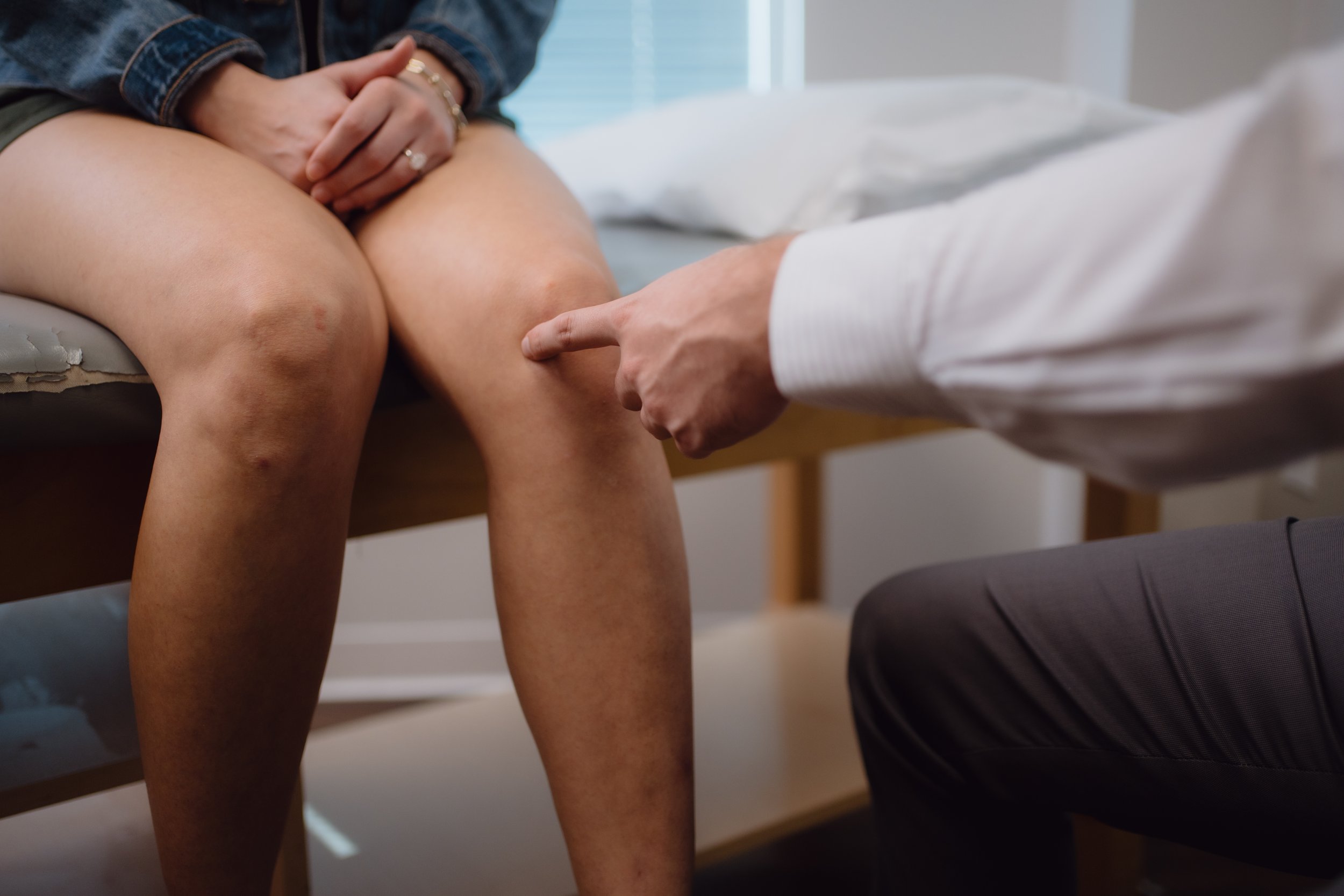
An evaluation usually starts with a conversation about when the swelling began, what makes it better or worse, and what you want to get back to. Your specialist will examine the knee and may order imaging, such as an X-ray or MRI, to look at the bones, cartilage and ligaments.
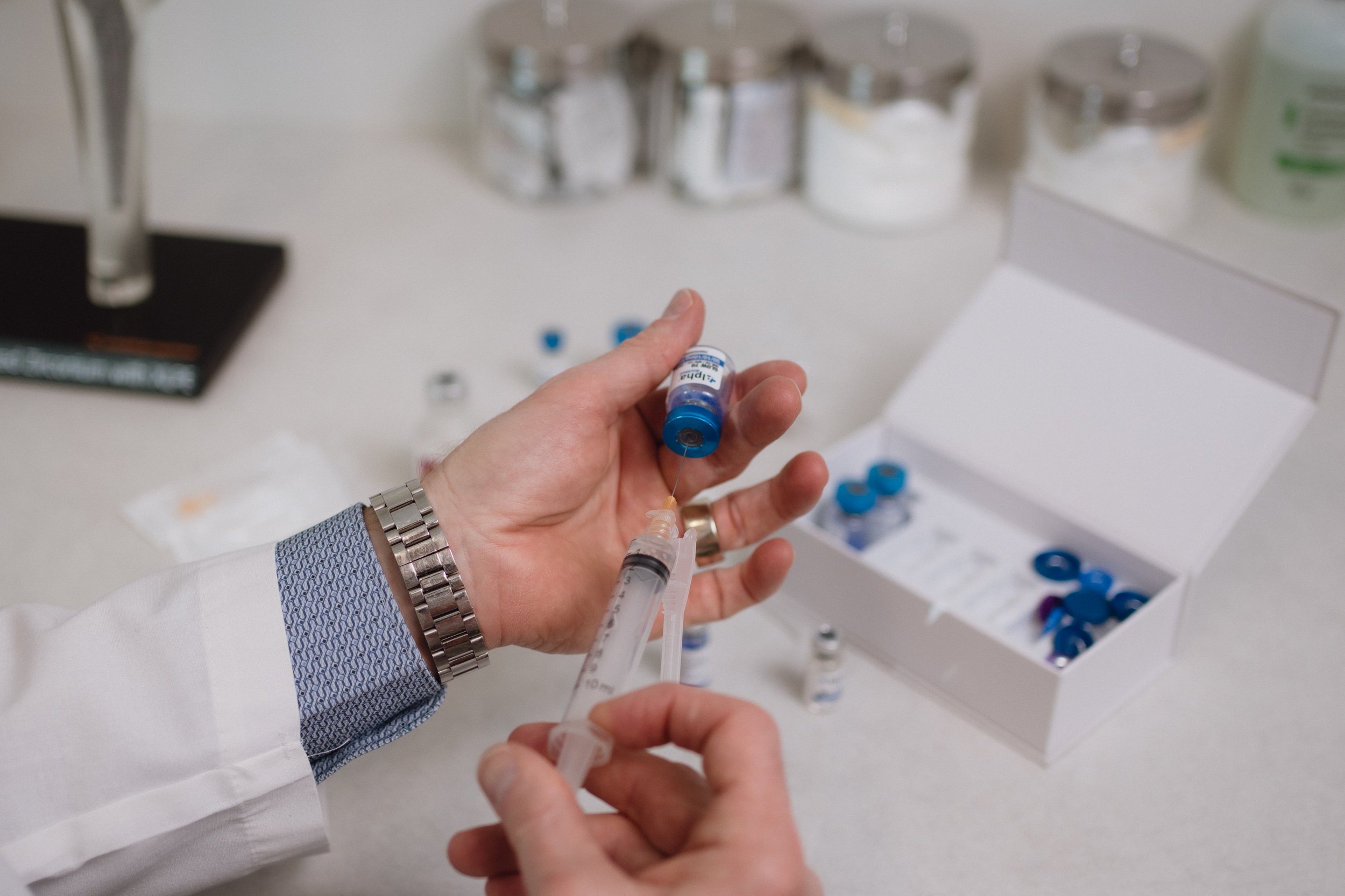
In some cases, your doctor may recommend a knee aspiration. Using a thin needle, the specialist draws extra fluid out of the joint. This often eases pressure and stiffness right away. The fluid can also be tested for signs of infection, gout or inflammation, which helps confirm the cause.
Treatment Options for Fluid on the Knee
Treatment depends on what is causing the swelling. Your plan may include one or more of the following.
Joint injections. Through the Joint Health Specialists program at San Antonio Orthopaedic Specialists, patients may be candidates for cortisone, gel (hyaluronic acid), or PRP injections. These options may help calm inflammation and support the joint, especially when arthritis is the cause.
At-home care: For mild swelling, rest, ice, compression, and keeping the leg raised may help. Over-the-counter anti-inflammatory medicine may ease pain and swelling if it is safe for you.
Knee aspiration: Removing the extra fluid can bring quick relief and give your specialist valuable information.
Physical therapy: Strengthening the muscles around the knee can take pressure off the joint and help prevent swelling from coming back.
Surgery when it is needed: If a torn meniscus, damaged ligament or advanced arthritis is behind the swelling, your specialist may talk with you about arthroscopy or knee replacement. More information is available on the knee specialists and joint replacement care pages.
Most treatment plans begin with the simplest options. More involved care is usually considered when swelling keeps returning or when imaging shows damage inside the joint that conservative care is unlikely to address.
Can Fluid on the Knee Go Away on Its Own?
Sometimes, yes. Mild swelling from a minor strain may settle within a few days with rest and ice. But if the swelling keeps coming back, it usually means the cause is still there. Draining the fluid without treating what is behind it often brings only short-term relief. That is why finding the source matters.
Getting Answers for a Swollen Knee in San Antonio
San Antonio Orthopaedic Specialists in Stone Oak offers a concierge approach to knee care. Fellowship-trained surgeons review each patient's history, exam and imaging before discussing options. Care may range from a simple aspiration or an injection through Joint Health Specialists to a longer-term plan for an arthritic knee, with one team involved from diagnosis through follow-up. Take the first step toward lasting relief and a knee that feels like yours again.