

Knee Ligament Surgery & Repair in San Antonio
EXPERT SURGICAL CARE FOR KNEE LIGAMENT INJURIES
A torn knee ligament can make walking, exercising, and staying active difficult, especially when your knee feels unstable or gives out unexpectedly. At San Antonio Orthopaedic Specialists, our fellowship-trained orthopaedic surgeons specialize in knee ligament surgery, including ACL reconstruction, PCL reconstruction, and knee ligament repair. Our goal is to restore knee stability, improve function, and help you return to the activities you enjoy.
Signs You May Need Knee Ligament Surgery
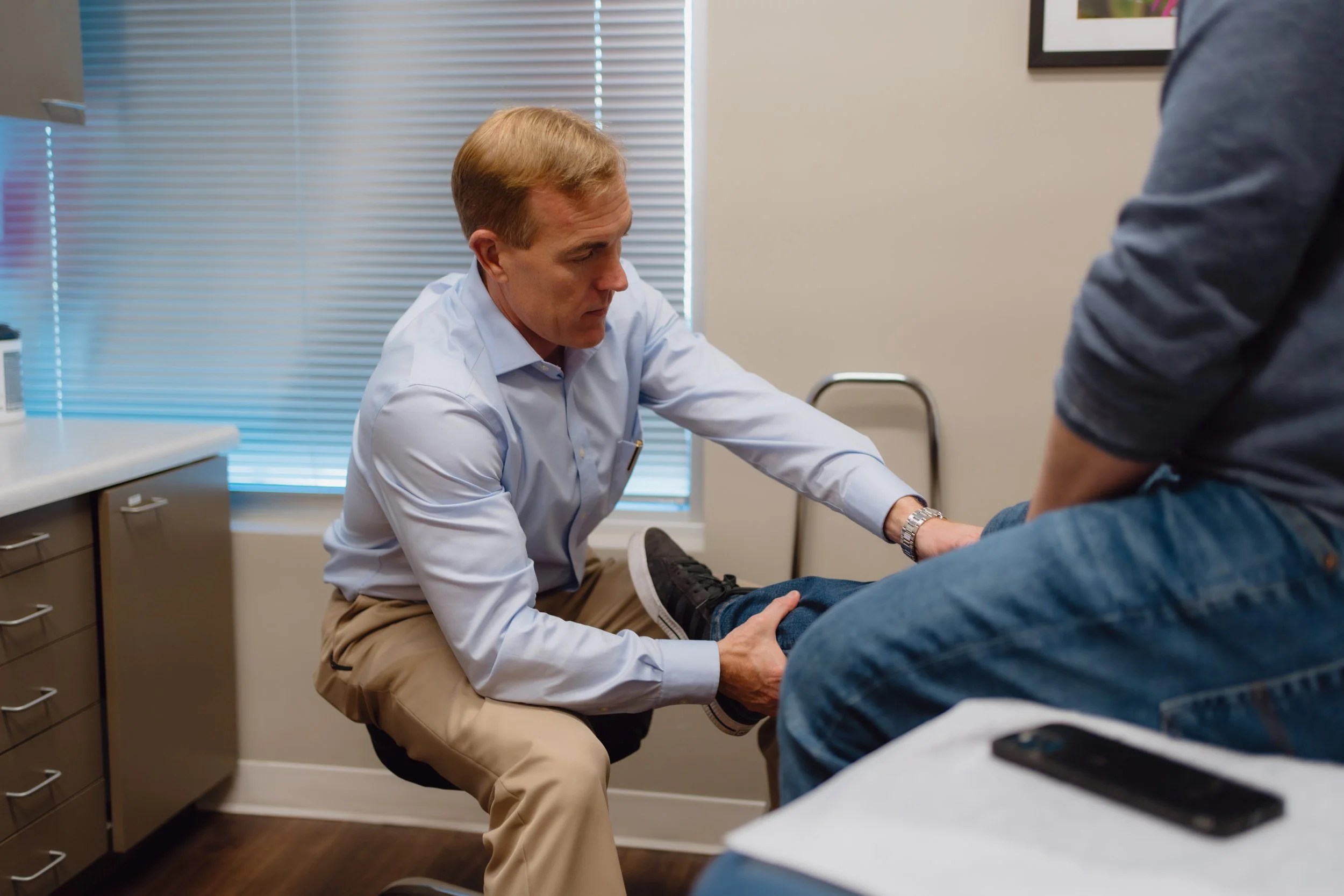
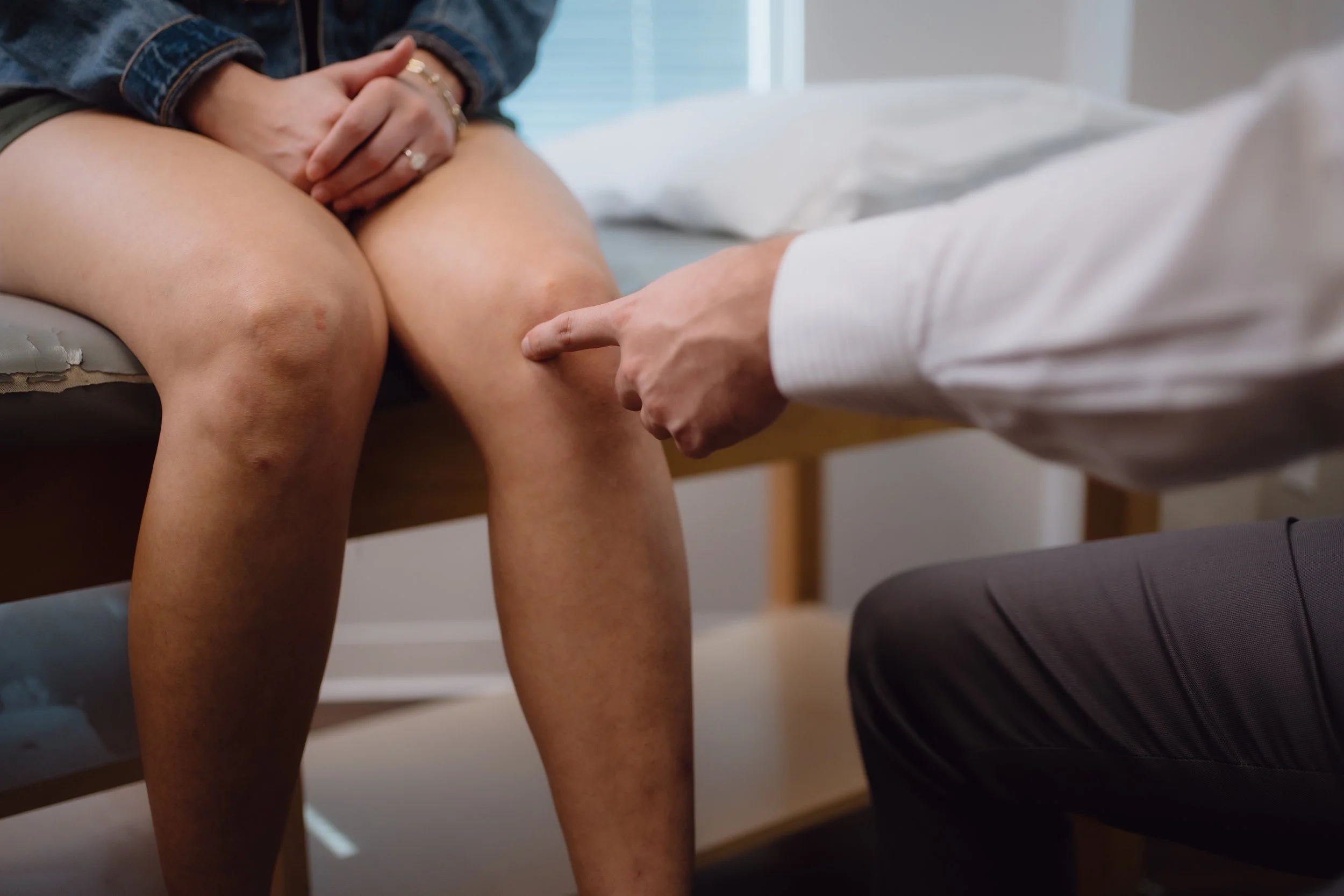
A knee ligament tear usually makes itself known right away. If you notice any of these after a twist, fall, or impact, it is worth having your knee evaluated sooner rather than later. Early care helps protect the cartilage and meniscus from further damage.
Knee ligament surgery is often considered when a ligament is completely torn, the knee remains unstable, or the injury involves multiple structures within the joint. Depending on the location and severity of the tear, your orthopaedic surgeon may recommend ligament repair or reconstruction to help restore proper knee function and support long-term mobility.
At San Antonio Orthopaedic Specialists, our fellowship-trained orthopaedic surgeons specialize in evaluating and treating complex knee injuries. You may be a candidate for knee ligament surgery if you are experiencing:
A pop at the moment of injury, often felt as much as heard
Swelling within hours, especially with ACL tears
A knee that gives way or feels loose when you turn or change direction
Pain on the inside or outside of the knee, common with MCL and LCL injuries
Trouble putting weight on the leg or walking normally
Loss of motion, like being unable to fully bend or straighten the knee

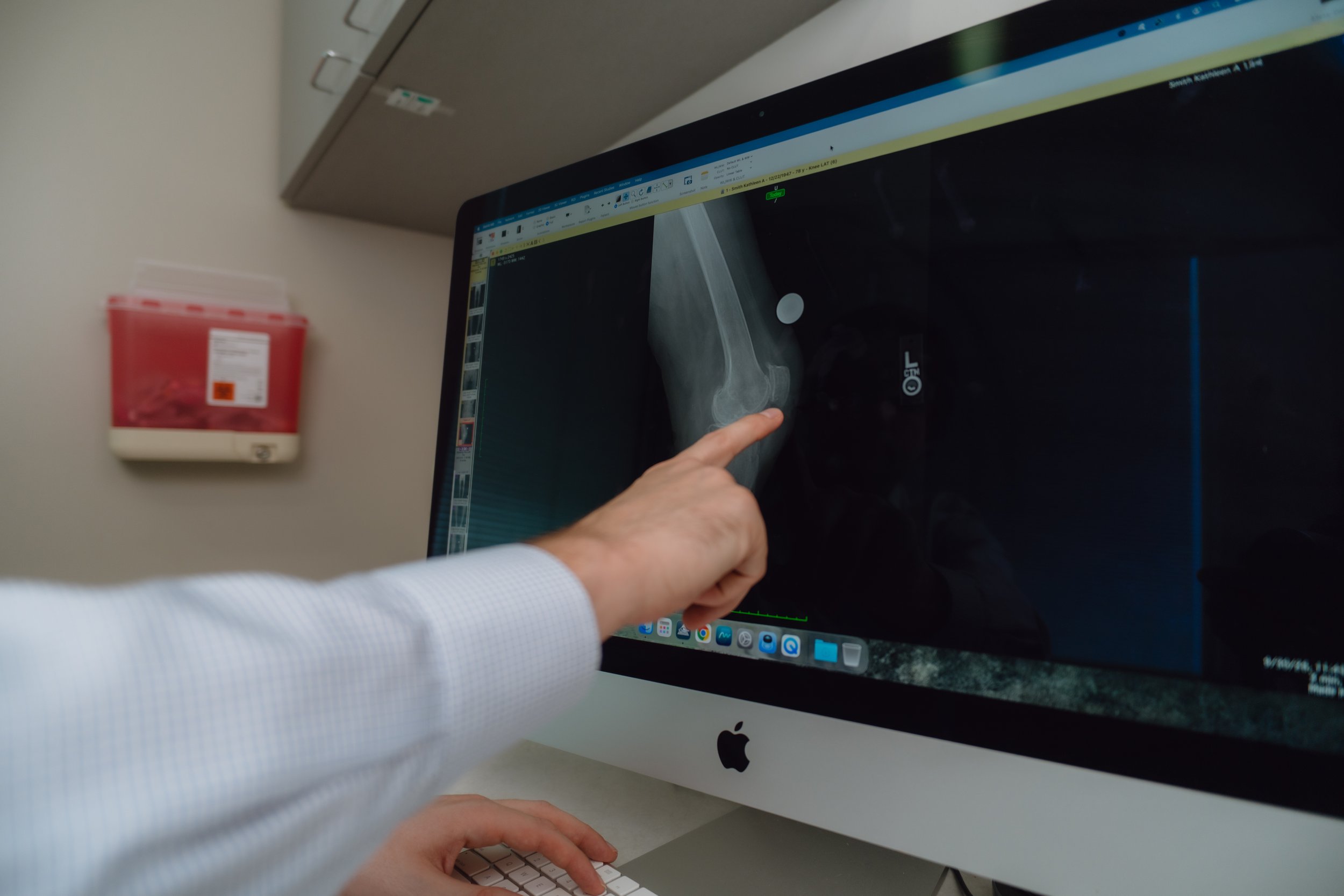
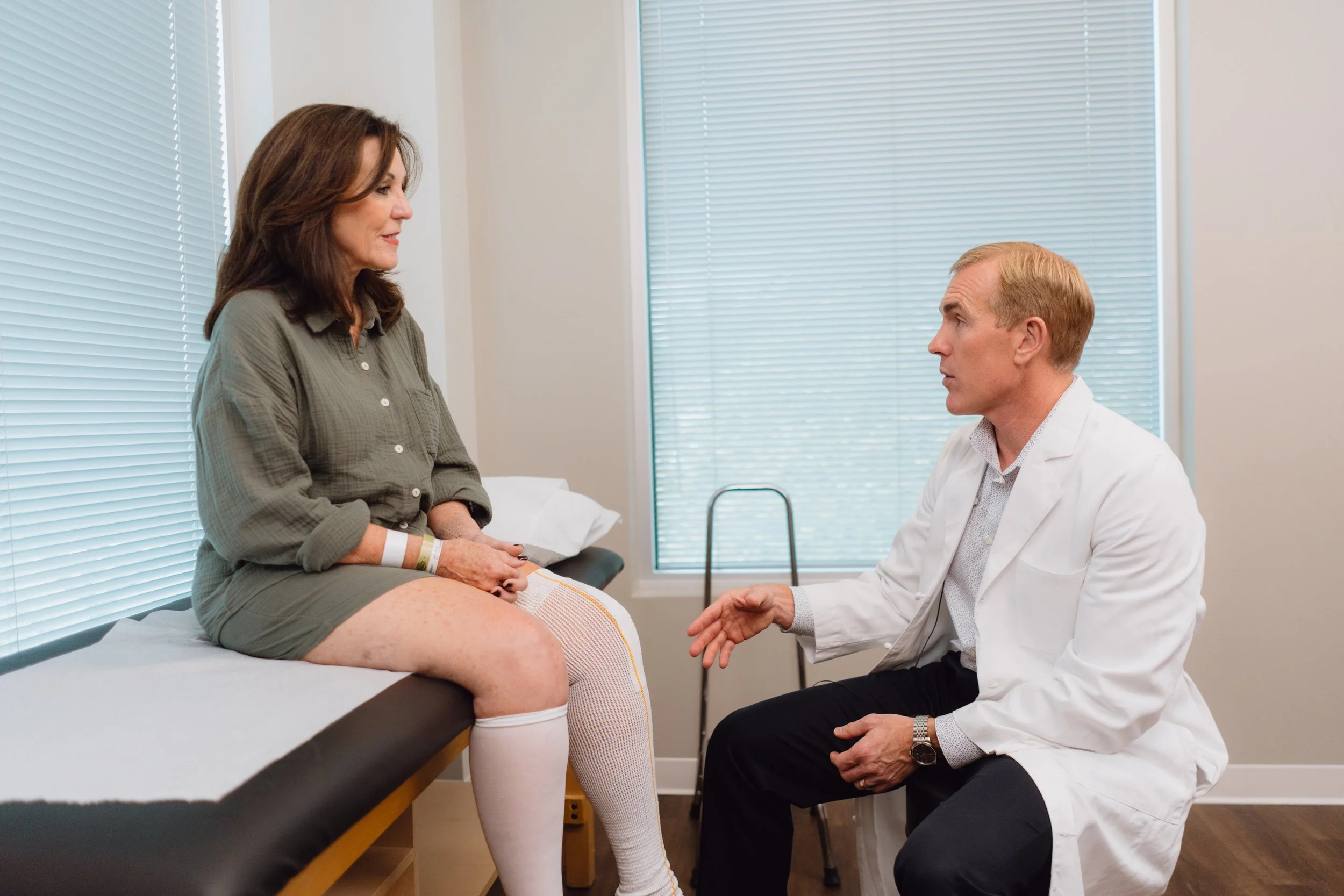
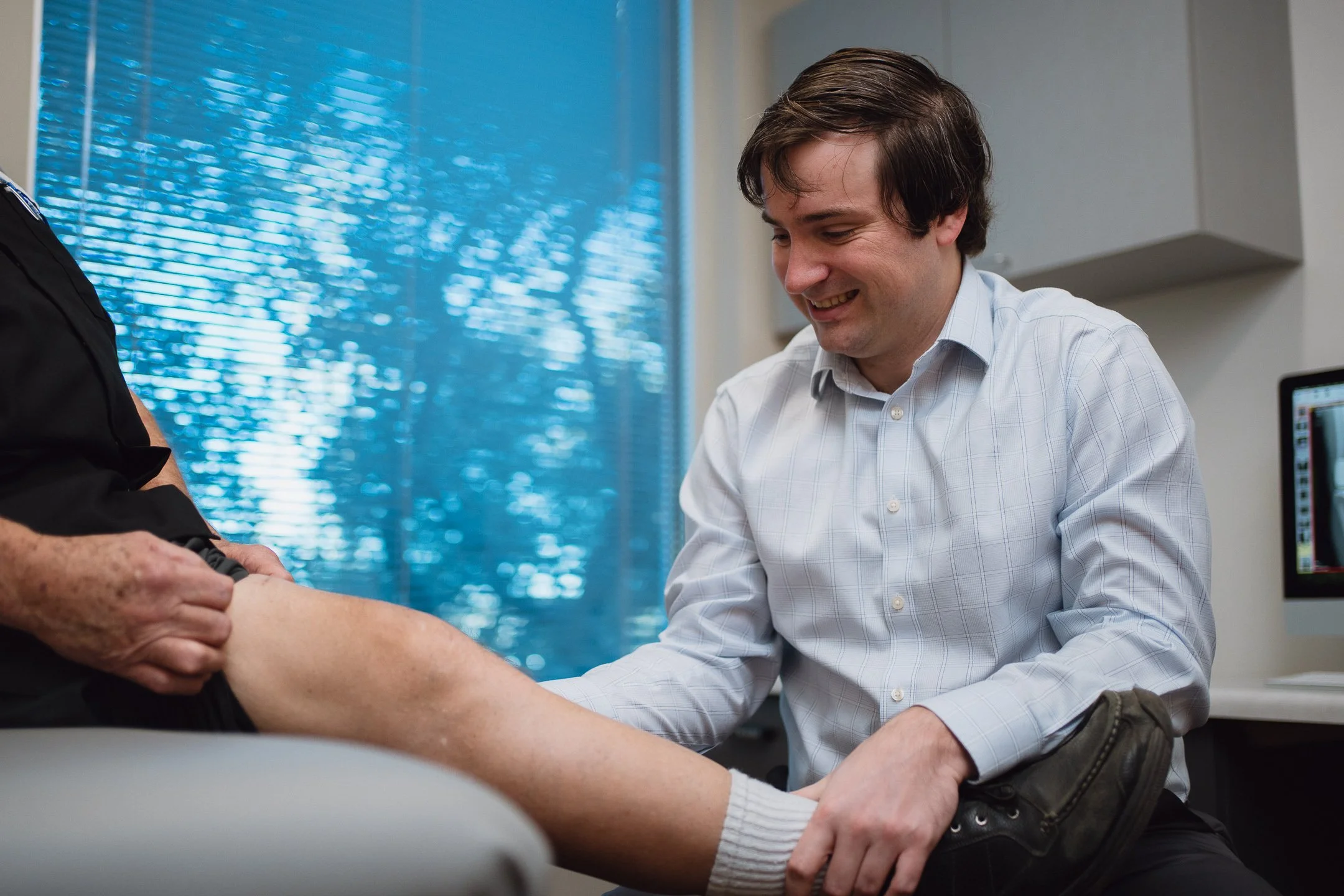
Knee Ligament Surgery Options at SAOS
Every injury is different, so your surgeon will tailor the approach to the ligament involved, the severity of the tear, and your goals. Most knee ligament procedures are performed arthroscopically, through small incisions.
ACL Reconstruction
ACL reconstruction surgery replaces a torn anterior cruciate ligament with a tissue graft to restore knee stability and function. This procedure helps athletes and active individuals regain confidence in their knee following an ACL injury.
May suit you if: You have a complete ACL tear, persistent knee instability, or difficulty returning to activities involving running, jumping, or pivoting.
PCL Reconstruction
PCL reconstruction surgery restores stability to the knee by replacing a damaged posterior cruciate ligament with a tissue graft. This procedure may be recommended for severe PCL tears, particularly when the injury affects other knee ligaments.
May suit you if: You have a severe PCL tear, persistent knee instability, or additional ligament damage affecting your mobility.
MCL & LCL REPAIR
MCL and LCL surgery addresses damage to the ligaments that stabilize the inner and outer sides of the knee. Severe tears or injuries involving multiple structures may require surgical repair or reconstruction to restore proper knee stability.
May suit you if: You have a severe collateral ligament tear, significant side-to-side instability, or additional injuries affecting your knee.
MULTI-LIGAMENT Surgery
Multi-ligament knee surgery treats two or more torn ligaments, often caused by sports injuries, falls, or accidents. These procedures repair or reconstruct damaged ligaments to restore knee stability and function.
May suit you if: You have multiple torn ligaments, significant knee instability, or a complex injury affecting several structures.

How Is Knee Ligament Surgery Performed?
Knee ligament surgery is designed to restore stability and function after a ligament has been torn or severely damaged. Depending on the type and severity of the injury, your orthopaedic surgeon may recommend repairing the existing ligament or reconstructing it using a tissue graft. While every procedure is different, here is what patients can generally expect during ACL reconstruction, one of the most common types of knee ligament surgery.
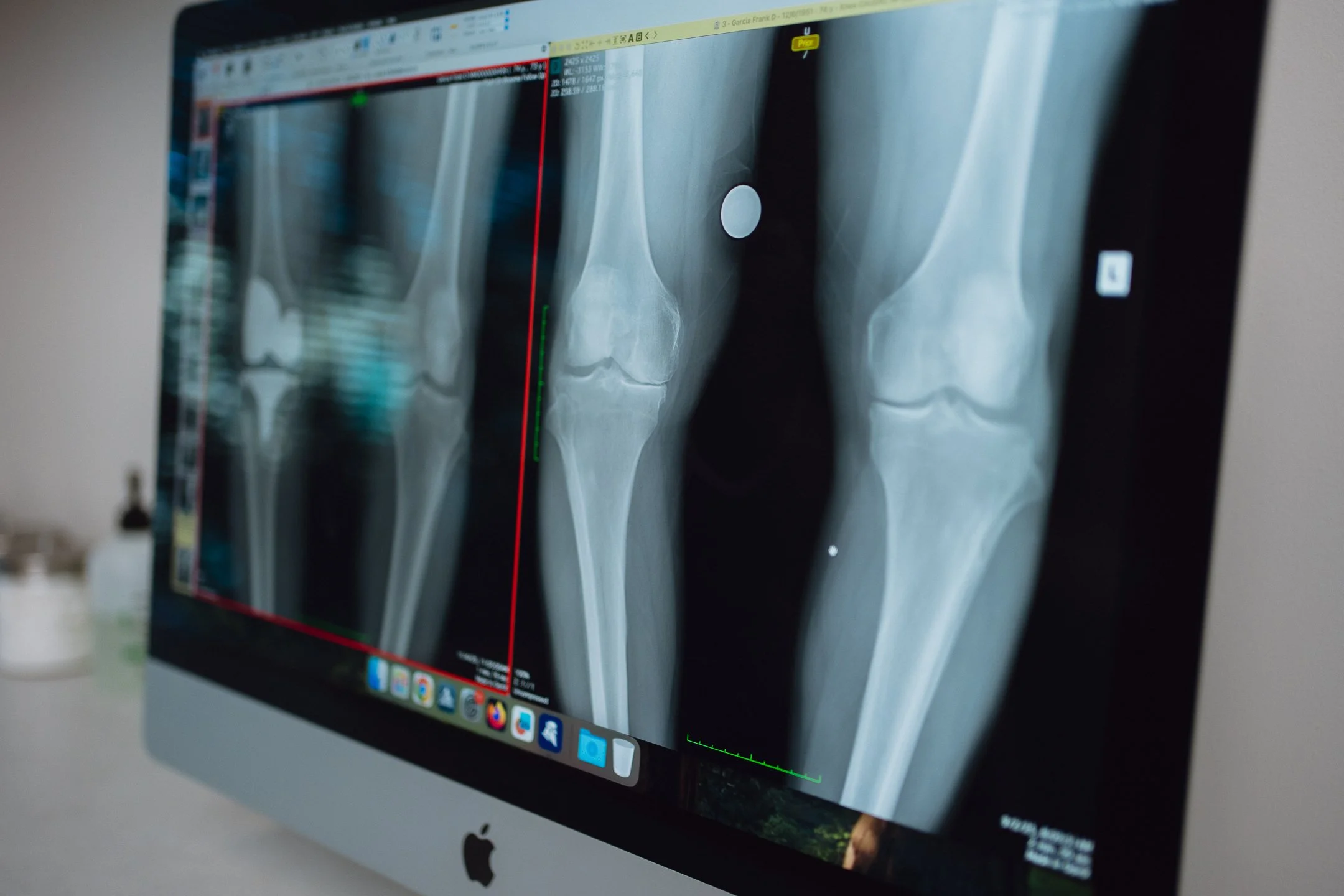
Evaluating the Knee Joint: Using a small camera called an arthroscope, your surgeon examines the inside of the knee to assess the damaged ligament and identify any additional injuries to the meniscus or cartilage.
Preparing the Ligament Graft: If reconstruction is needed, your surgeon prepares a graft using a tendon from your own body or donor tissue. The graft selection depends on your injury, activity level, and individual treatment needs.
Reconstructing the Damaged Ligament: The new graft is positioned to replace the torn ligament and secured to the surrounding bone. Over time, the graft heals and remodels as part of the knee's stabilizing structures, helping restore support and function.
Knee Ligament Surgery Recovery
Recovering from knee ligament surgery takes time, patience, and a consistent rehabilitation plan. Unlike knee replacement surgery, ligament reconstruction involves allowing the repaired or reconstructed ligament to heal while gradually rebuilding strength, stability, and range of motion. Although recovery timelines vary depending on the ligament involved, the severity of the injury, and the surgical technique, physical therapy plays an essential role in helping patients return to their normal activities.
Following ACL reconstruction, patients typically begin with gentle movement and exercises designed to reduce swelling and restore knee mobility. During the first several weeks, crutches or a knee brace may be recommended to protect the healing ligament. As recovery progresses, rehabilitation focuses on improving muscle strength, balance, and overall knee function.
Many patients gradually resume everyday activities within the first few months, while returning to running, competitive sports, or physically demanding activities often requires additional rehabilitation. For ACL reconstruction, a return to unrestricted sports commonly takes 9 to 12 months or longer, depending on healing progress and functional testing.
What Are the Benefits of Knee Ligament Surgery?
For patients with a torn ligament that leaves the knee unstable, surgery can help restore the support the knee needs to move with confidence again. The goal is not only to address the injury, but also to help you return to the activities that matter most while protecting the long-term health of your knee.
Potential benefits of knee ligament surgery may include:
Restored knee stability: Repairing or reconstructing the torn ligament can help keep the knee from buckling or giving way during everyday movement.
Greater confidence with movement: Many patients feel more secure walking, climbing stairs, turning, and changing direction.
A return to sports and active hobbies: For athletes and active adults, surgery may make it possible to safely get back to running, cutting, pivoting, and jumping.
Protection for the rest of the knee: Repeated episodes of instability can damage the meniscus and cartilage. Restoring stability may help lower that risk over time.
Fewer flare-ups of pain and swelling: When the knee stops giving way, many patients notice less of the pain and swelling that follow each episode.
Better long-term function: A stable knee can support a more active lifestyle for years to come.
Results vary from patient to patient, and not every ligament injury needs surgery. Your surgeon will help you weigh your injury, activity goals, and overall health to decide whether surgery is the right next step.
Meet Our Board Certified Orthopaedic Knee Surgeons
-
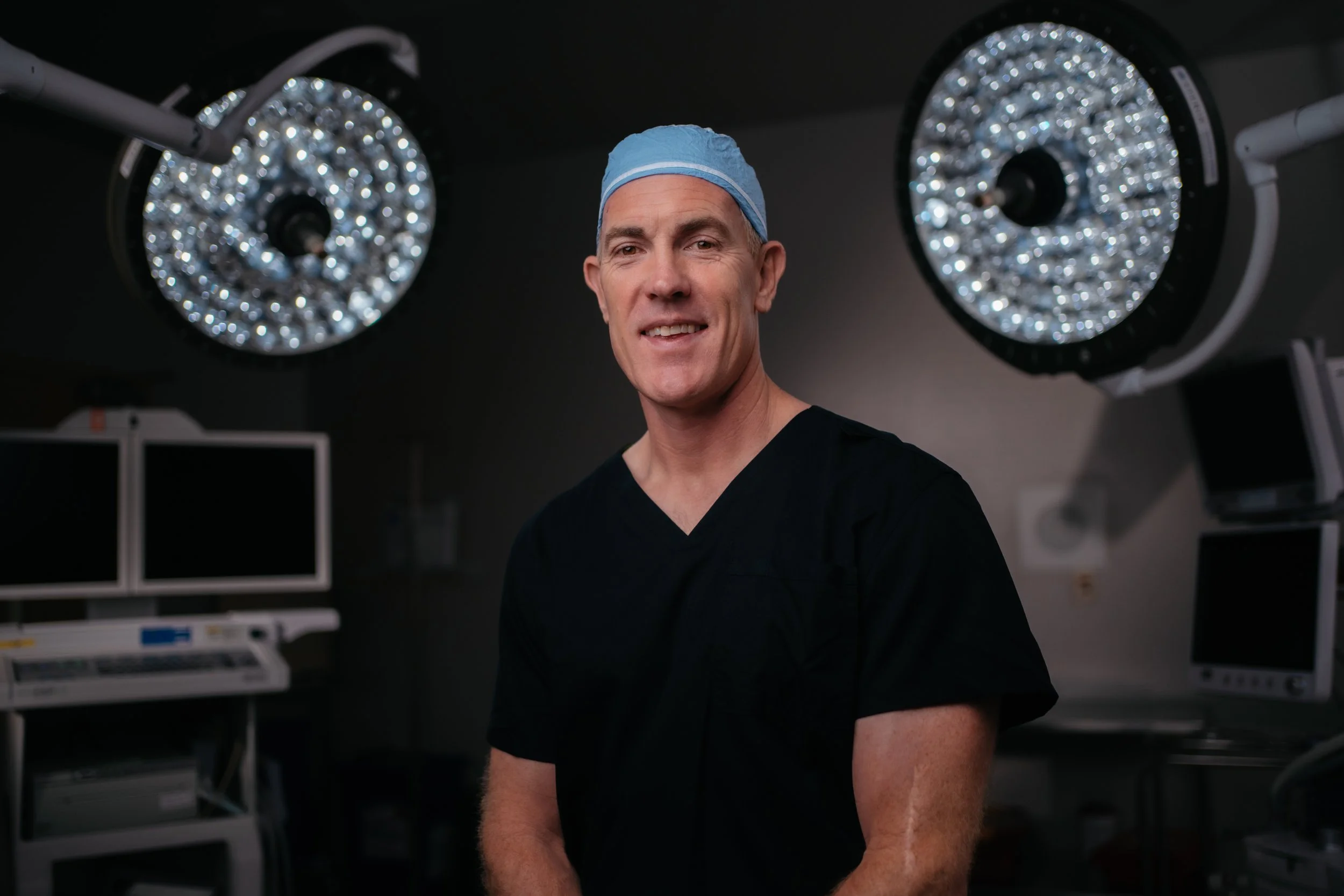
Brandon Broome, MD
Board Certified, Fellowship Trained Knee and Hip Surgeon
-

Brandon Couch, MD
Board Eligible, Fellowship Trained Knee and Hip Surgeon
REAL PATIENTS. REAL RECOVERY. GETTING BACK TO WHAT MATTERS.
Every knee surgery journey is different, but the goal remains the same: helping patients regain mobility, confidence, and the ability to enjoy everyday life. At San Antonio Orthopaedic Specialists, we believe exceptional surgical care goes beyond the procedure itself.
In this patient testimonial, hear how personalized care and knee replacement surgery helped one patient move forward with greater confidence. While her procedure differs from knee ligament reconstruction, her experience reflects our commitment to supporting patients throughout their surgical journey and recovery.
1,000+ Reviews. Countless Comebacks.
We’re committed to helping patients overcome knee ligament injuries, restore stability, and return to the activities they love with confidence.
Get Back to Moving with Confidence
A torn or damaged knee ligament can affect more than just your ability to stay active. It can make simple movements feel uncertain and keep you from doing the things you love. At San Antonio Orthopaedic Specialists, our fellowship-trained orthopaedic surgeons specialize in diagnosing and treating knee ligament injuries, including ACL, MCL, PCL, and LCL tears. Whether your injury requires surgical reconstruction or can be managed through nonsurgical care, our team is here to help you regain strength, restore stability, and move forward with confidence.

FAQs about Knee Ligament Surgery
-
Not always. Many MCL tears and partial tears heal with bracing and physical therapy. Surgery is more likely for a complete ACL tear in an active person, an injury involving more than one ligament, or a knee that keeps giving way despite rehab.
-
Some can. The MCL has a good blood supply and often heals on its own with protection and therapy. A fully torn ACL generally does not heal back together, though some less active patients manage well with strengthening and activity changes.
-
You will be comfortable during surgery, and discomfort afterward is typically managed with a combination of medication, ice, elevation, and rest. Most patients find the first week or two is the hardest, and it improves steadily from there.
-
A typical ACL reconstruction often takes around one to two hours. Surgery can take longer when more than one ligament or the meniscus is treated at the same time.
-
Many patients walk without crutches within a few weeks and return to daily routines in about six weeks. Returning to cutting and pivoting sports after ACL reconstruction commonly takes nine months to a year, guided by strength and stability testing.
-
A repair stitches the torn ligament back together or back to the bone. A reconstruction replaces the torn ligament with a graft. ACL tears are usually reconstructed, while some collateral ligament injuries can be repaired.
-
Knee replacement is a different procedure, used for arthritis rather than ligament tears. In a total knee replacement, the ACL is usually removed, and the collateral ligaments are kept and balanced. Learn more about surgical treatment options for knee arthritis here.