
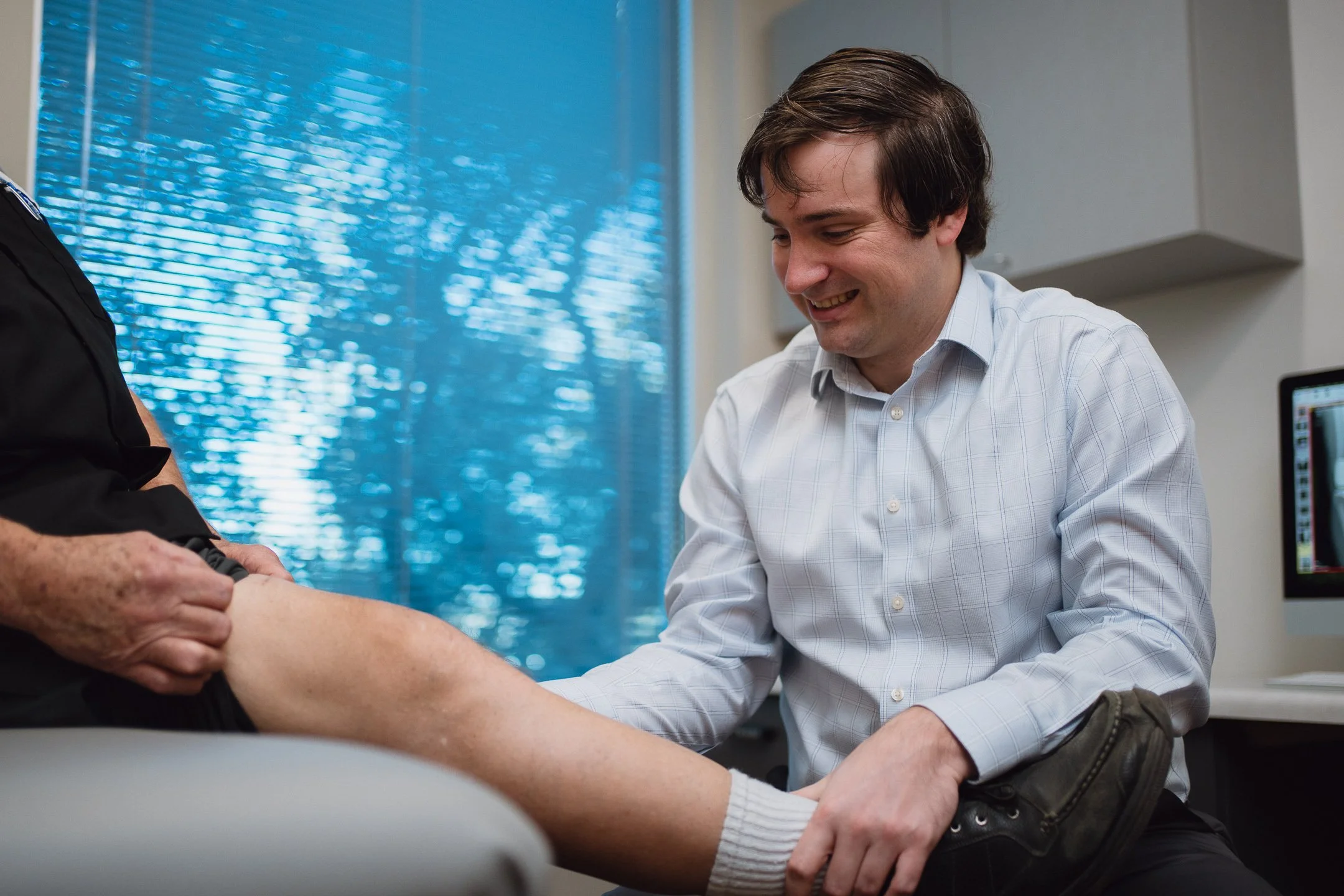
Knee Arthritis Surgery in San Antonio
Personalized Treatment for Knee Arthritis Pain
When knee arthritis makes walking, exercising, climbing stairs, or everyday activities more difficult, the right treatment can help you move forward. At San Antonio Orthopaedic Specialists, our fellowship-trained orthopaedic surgeons provide personalized knee arthritis care, from conservative treatment and injections to partial and total knee replacement when surgery is appropriate.
Signs It May Be Time to Consider Knee Arthritis Surgery
Knee arthritis is one of the most common causes of chronic knee pain and occurs when the protective cartilage that cushions the knee joint begins to wear down. As the joint changes, patients may experience increasing pain, stiffness, swelling, and reduced mobility that can make everyday activities more difficult.
The most common type is osteoarthritis, which develops gradually over time. Other forms include rheumatoid arthritis, an autoimmune condition that causes inflammation within the joint, and post-traumatic arthritis, which can develop after a previous knee injury.
While knee arthritis cannot be reversed, the right treatment plan can help reduce pain, improve function, and support a more active lifestyle. Surgery is rarely the first step. It may become worth exploring when arthritis continues to interfere with daily life even after conservative treatments have been given a fair chance. You may be a candidate for knee arthritis surgery if you are noticing:
Knee pain that wakes you up at night or continues even when you are resting
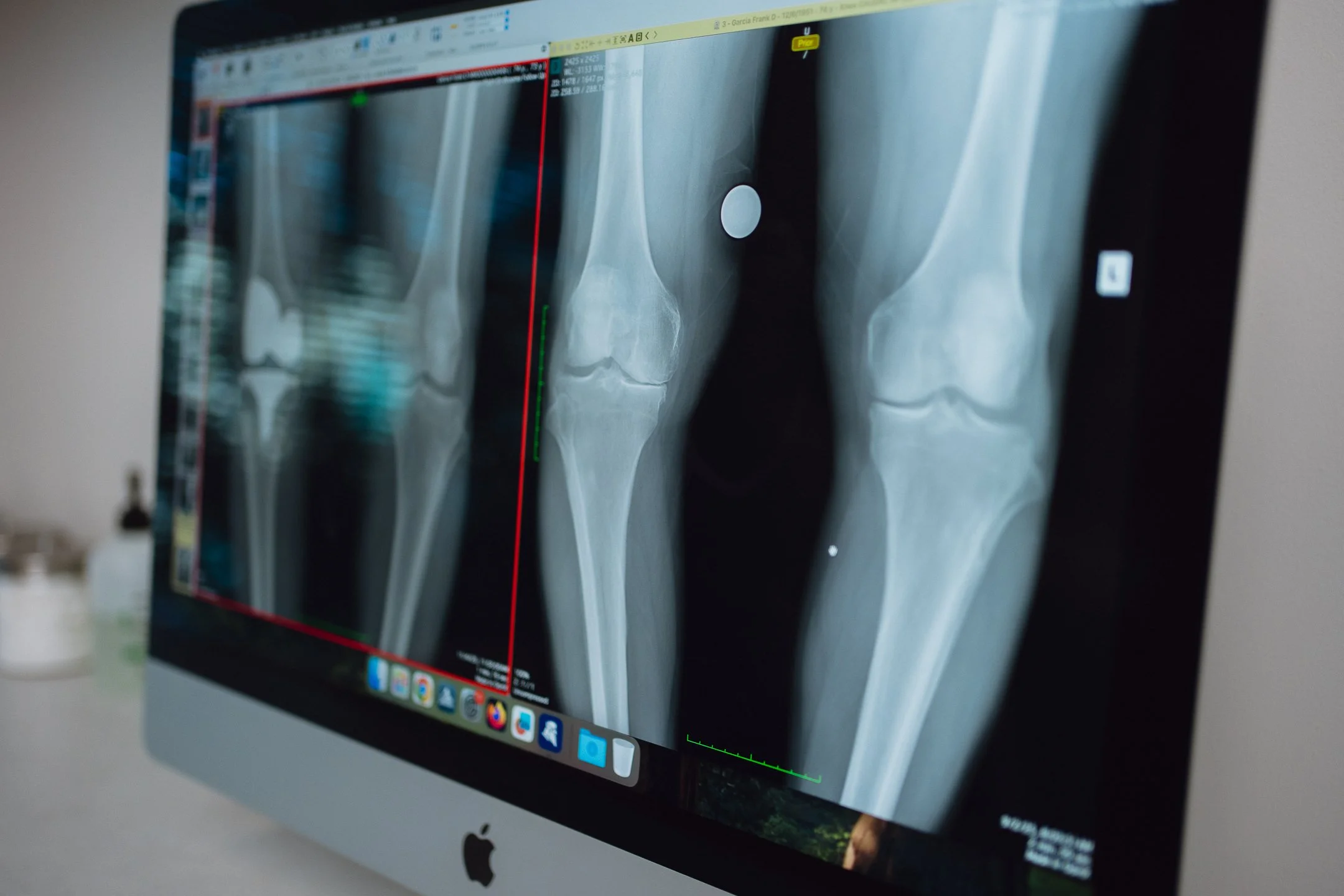
Bone-on-bone arthritis seen on X-rays, showing significant cartilage loss within the knee joint
Injections, physical therapy, bracing, or medication no longer providing lasting relief
Difficulty with everyday activities such as climbing stairs, traveling, exercising, golfing, or getting up and down from the floor
Ongoing stiffness, swelling, catching, or buckling that affects how your knee moves and feels
Changes in the shape or alignment of the knee, including the leg beginning to bow inward or outward
Knee pain that is limiting your independence or quality of life despite trying conservative treatment options


Knee Arthritis Surgery Options at SAOS
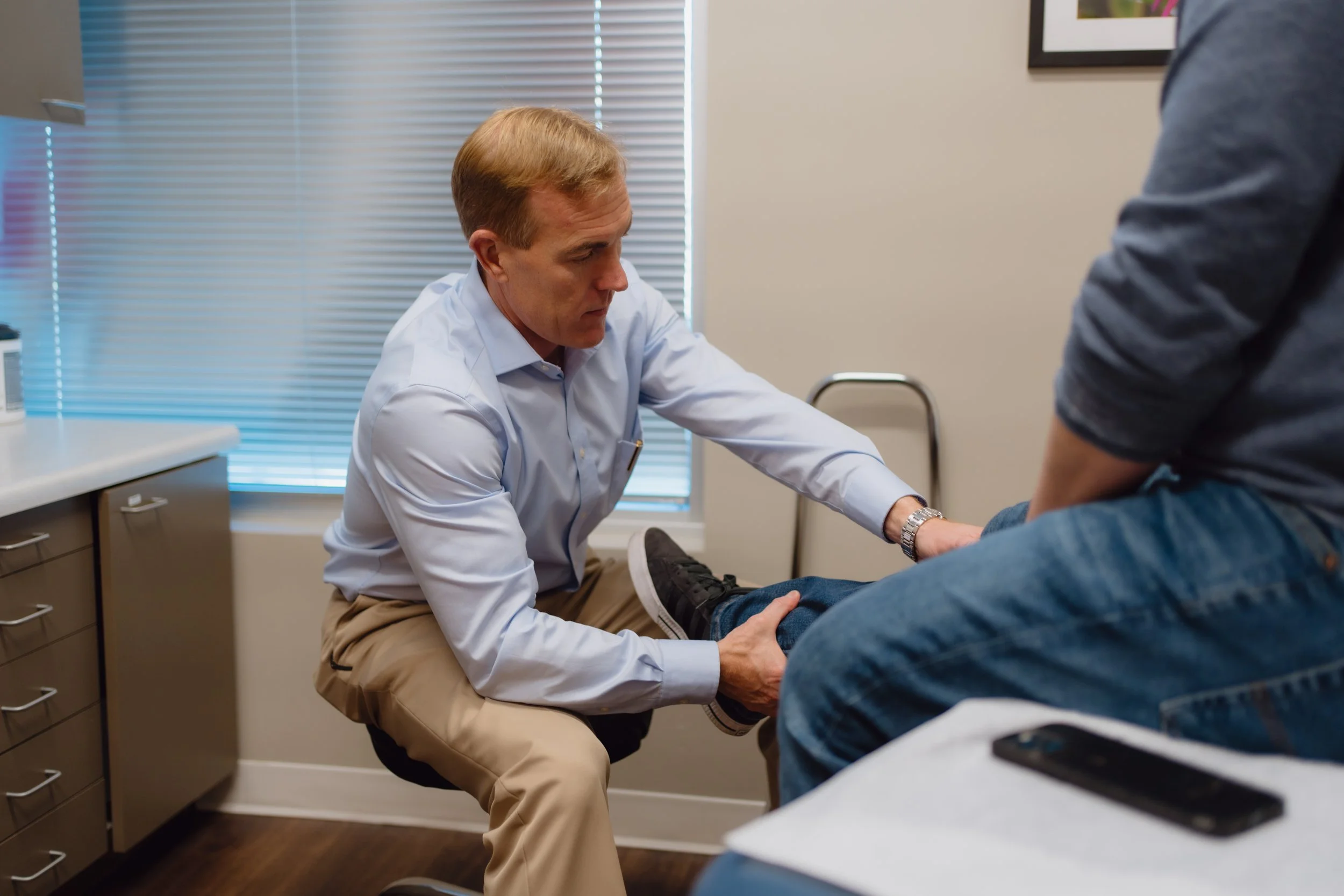
Every knee wears differently, so there is no single right surgery for knee arthritis. Dr. Broome will look at where the damage is, how your ligaments are holding up, and what you want to get back to before recommending an approach.
Total Knee Replacement
Total knee replacement resurfaces the worn ends of the thigh bone and shin bone, and often the back of the kneecap, with durable implant components. It is the most common and most studied surgery for advanced knee arthritis.
May suit you if: arthritis has spread through much of the joint or the knee has noticeable deformity.
Partial Knee Replacement
When arthritis is limited to one area of the knee, a partial knee replacement replaces only that damaged compartment. Healthy bone, cartilage, and ligaments stay in place, which is why many patients say the knee feels more natural.
May suit you if: your arthritis is focused on one side of the knee and your ligaments are stable.
Knee Arthroscopy
Arthroscopy is not typically recommended for arthritis on its own. It may be worth exploring when a torn meniscus or loose fragment is causing locking or catching alongside early arthritis. We will always be straightforward about whether it makes sense for your knee.
May suit you if: mechanical symptoms, not arthritis alone, are driving your pain.
What Happens During Knee Arthritis Surgery?
Knee arthritis surgery is designed to address the damaged areas of the joint that are causing pain, stiffness, and loss of function. During a knee replacement procedure, the worn cartilage and small portions of damaged bone are carefully removed from the affected areas of the knee.
The damaged surfaces are then replaced with specially designed implant components that help recreate a smoother joint surface. The goal is to improve alignment, reduce painful bone-on-bone contact, and allow the knee to move more comfortably.
The exact procedure depends on how much of the knee is affected. Some patients may be candidates for a partial knee replacement, while others with more widespread arthritis may benefit from a total knee replacement.
Recovery After Knee Arthritis Surgery
Recovery is an important part of achieving the best possible outcome after knee arthritis surgery. While every patient’s experience is different, many patients are encouraged to stand and begin walking with assistance shortly after surgery, depending on their procedure and overall condition.
Physical therapy plays an important role in knee replacement recovery by helping restore strength, flexibility, balance, and range of motion. Over the following weeks and months, patients gradually return to everyday activities as the knee heals and mobility improves.
Your recovery plan will be personalized based on the type of surgery, your overall health, activity level, and individual goals. At San Antonio Orthopaedic Specialists, our team provides guidance before and after surgery, monitors your progress, and helps you understand what to expect at each stage of recovery.
What Are The Benefits of Knee Replacement for Severe Arthritis?
For patients with advanced knee arthritis, knee replacement surgery can help reduce the symptoms that have been limiting everyday life. The goal is not only to address joint damage, but also to help patients return to greater comfort and function.
Potential benefits of knee replacement for severe arthritis may include:
Reduced chronic knee pain
Improved walking and mobility
Better knee function and range of motion
Greater ease with stairs and daily activities
Improved stability and confidence when moving
Greater ability to return to an active lifestyle
Less pain at rest or during the night
Results vary from patient to patient, which is why the decision to move forward with knee replacement should be based on your symptoms, imaging, activity goals, and overall health.
Meet Our Board Certified Orthopaedic Knee Surgeons
-
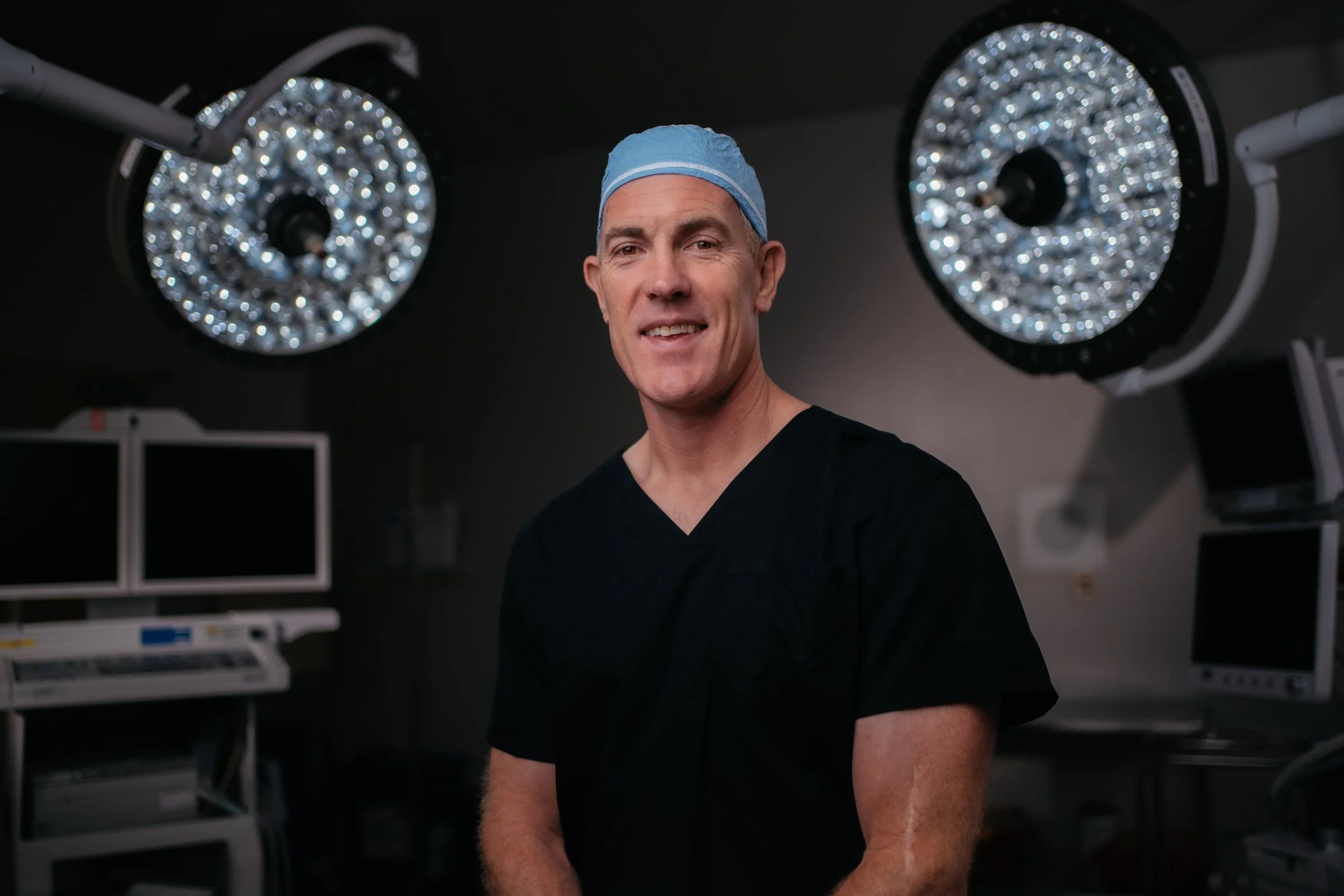
Brandon Broome, MD
Board Certified, Fellowship Trained Knee and Hip Surgeon
-

Brandon Couch, MD
Board Eligible, Fellowship Trained Knee and Hip Surgeon
A KNEE REPLACEMENT STORY ABOUT GETTING BACK TO WHAT MATTERS
Knee pain had gradually made everyday life harder, including the activities this patient cared about most. After deciding to move forward with another knee replacement, she came to San Antonio Orthopaedic Specialists looking for a different experience.
In this patient story, she talks about the care she received, what stood out during recovery, and how getting stronger after surgery helped her return to the routines and responsibilities that made her feel like herself again.
1,000+ Reviews. Countless Comebacks.
We’re here to support our patients throughout their entire knee replacement journey.
Find Out If Knee Arthritis Surgery Is Right for You
If knee pain is making everyday activities harder and conservative treatments are no longer providing enough relief, it may be time to discuss surgical options. At San Antonio Orthopaedic Specialists, we take the time to understand your symptoms, review your imaging, and help determine whether partial knee replacement, total knee replacement, or another treatment approach makes sense for you.
FAQs about Knee Arthritis Surgery
-
Knee arthritis surgery may be worth considering when pain, stiffness, or loss of mobility is interfering with everyday life and conservative treatments are no longer providing enough relief. Signs can include pain at rest or at night, difficulty walking or climbing stairs, persistent swelling, changes in knee alignment, and reduced ability to stay active. Imaging such as X-rays can also help show how advanced the arthritis has become.
-
Common signs that you may need a knee replacement include chronic knee pain, stiffness that limits movement, difficulty with daily activities, pain that continues despite injections or physical therapy, and significant cartilage loss seen on X-rays. The decision is based on more than imaging alone. Your symptoms, activity level, overall health, and personal goals are all important factors.
-
Yes. Bone-on-bone knee arthritis does not automatically mean surgery is required. Some patients may still find relief with physical therapy, bracing, medications, cortisone injections, gel injections, PRP, or other non-surgical treatments. If these options no longer provide meaningful relief and knee pain continues to limit your quality of life, surgery may become a more appropriate option.
-
A partial knee replacement treats only the damaged portion of the knee, while a total knee replacement addresses arthritis affecting multiple areas of the joint. Partial knee replacement may be an option when arthritis is limited to one compartment of the knee. Total knee replacement is more commonly considered when arthritis is widespread. Your surgeon will use your symptoms, physical exam, and imaging to determine which option is most appropriate.
-
Recovery after knee replacement varies from patient to patient. Many patients begin walking soon after surgery and start physical therapy early in the recovery process. Daily activities typically become easier over the following weeks, while strength, mobility, and endurance can continue improving for several months. Your specific recovery timeline will depend on the procedure, your overall health, and your rehabilitation progress.
-
Before surgery, knee arthritis treatment may include activity modification, physical therapy, anti-inflammatory medications, bracing, cortisone injections, gel injections, PRP, and other joint-preserving options. The goal is to reduce pain and improve function without surgery whenever possible. If conservative treatments have been tried and symptoms continue to interfere with daily life, your orthopaedic specialist may recommend discussing surgical options.